Portraits from a town

Some people would draw it but I choose words for my pictures. You know the place, you’ve passed through on your way to somewhere else. You didn’t stop and if you did it was just to buy some food  before you drove on. It was nondescript, home to no one you know. You can’t even remember its name. It wasn’t big, it wasn’t small, it was just a town.

He sits outside the house in his car for longer than he should. He loves this car. Its like him, well built, smooth running, up a gear. If he were a car, this is the car he would be.

Outside of the car, inside of the house, is his life. The children don’t fit in the car. She had said it wouldn’t be a problem. Now it’s a problem. Everything is a problem.

He hadn’t thought it would be like this. He had always thought they were together, a unit, as one. It never occurred to him that they just met in the middle occasionally and then went back to their separate lives afterwards. It had been this way forever, when they were dating, when they lived together. They moved in the same circle, different circles, they met in the middle and moved away again as they chose.

And now, now he realised, that wasn’t a relationship at all. Worse. She had become anchored to one spot. Immovable. She was tied to that house and the life inside it. And her life, her circle of movement had shrunk, until she was just standing still looking around her. His circle had remained the same, maybe even gotten bigger. Except now, now she was demanding he shrink it. Demanding she have some of his circle, demanding that she should be able to move. The kids weren’t his fault. The kids were nice to have but shouldn’t restrict who he was. It had changed her, not him.

It was all reflected in their cars, hers full of car seats and wrappers and debris from toddler parties, his sleek and smooth and clean. She was chained to chaos, chained to a single spot and mayhem existed around her and somehow emanated out from her, like it was her super power. She reached out to settle it, but she couldn’t, didn’t want to. The house, their beautiful house, so shiny, so new, with its shades of beige and grey, so well put together, but always untidy, messy, unkempt. There weren’t enough words. He strode through the disorder like a titan, never looking down. He tried not to see it but there were squeaky toys on the couch. He could never find the remote. The place smelled of milk and pooh and powder.  

Then, now, there was Friday. It was a girls night out, one of the few times she would leave the house without them attached. The in-laws were coming, thank goodness, the in-laws were coming. But she wanted to take his car. It was like she hadn’t looked in the mirror lately. It wasn’t right that she should be seen in his car. In his head, there were two lives and they should be kept apart. There was the one that happened in the messy car and then there was this sleek, lithe machine. The former was her but this was him. He hadn’t changed, he had managed to carry on as before. He was aghast at how anchored she had become, how stuck. This car was not built for people who were anchored. This car was built for freedom.

He wasn’t sure what he’d ever seen in her. She had become an alien species, glued to that house. Riveted to that spot. That child, one or the other of them endlessly attached at the hip. He was faking it. He spent every spare minute watching porn or sitting in this car. This sleek clean vehicle. The world around him changed. He sat still in his nice shiny car. There is no way she could use this car.

An answer: Unclever, ungiven, undone

A crowd. Suited. Tied. Watched-Rolex. Worldly. Erudite.

She is here, pretty. Dress, shoes, gloves.

He speaks. Preening. Glossy teeth. Words oozing out. Applause.

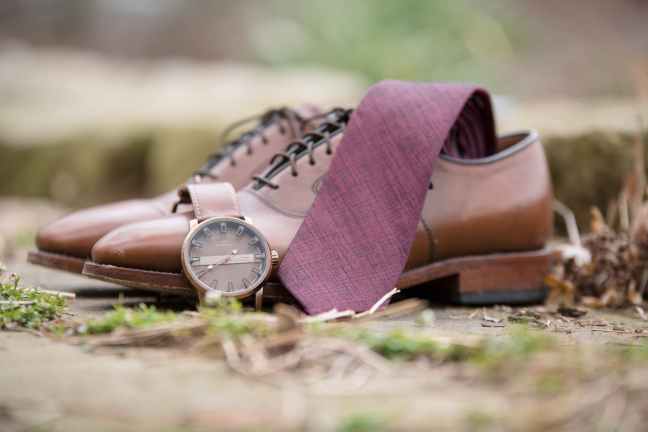
He is clever. Suited. Tied. Watched-Rolex. Cufflinks catch, glittering on lights.

A hand raised. Delicate. Ungloved. Not ringed. Red nails. Ignored.

Another hand. Cufflinked. Watched-Rolex. Question. Answer. Applause.

A delicate hand. Again ignored. Another hand. Answered. Applause.

A delicate hand. Eye contact. Flicker. Recognition. Passed over for him. Again.

A tie loosened.

She takes refuge in the bathroom.

Later. She is there. Still. Quiet. Tied, marks on her neck. Unwatched, no one saw.

Did not see her. Don’t know her. A lot of men wear ties.

Blue. Questions from the blue. Blue uniforms. Swarming, like odd little bees.

Suited. Tied. Watched. Look at the Rolex. These are not the clothes of a man who kills.  

Who was she? He? Were they? Ever?

Tied of the tongue. The little blue bees search on. Time travellers.

Was she clever? Pretty? Both maybe? Now you ask, there was a time. Once. Before. He was clever. She was pretty. Tied to her now. Watched-he cannot leave town.

Her gloves drape across her body. She is lowered into the ground.

Her words. Written down. Kept. Tied. In a pile in the drawer. Clever girl. A theft. Of thinking, of words.

I wrote what she wrote. We wrote together. I wrote better. Better punctuation. The words, yes, the words the same. Her words.

Recognition, confrontation, yes, in the bathroom. She fell. Fell. Unwatched, but tied- around her neck.

He is quiet. An answer ungiven. His tie. Her neck. Squeezed into silence.  

A theft of thoughts. Words. A book.

Cold  steel bars. Entitlement still not displaced with regret. Untied, chained, no cufflinks, still cuffed, watched, the Rolex gone, uniformed, no suit. Inelegant. Unclever. Undone.

Portraits from a town

Some people would draw it but I choose words for my pictures. You know the place, you’ve passed through on your way to somewhere else. You didn’t stop and if you did it was just to buy some food  before you drove on. It was nondescript, home to no one you know. You can’t even remember its name. It wasn’t big, it wasn’t small, it was just a town. What were the people like? who lived there?

Sameness came late in life. It didn’t have enough time to bed in. She always felt on the outer, even now. She still knew single women who owned bright scarves and loose fitting summer dresses. They danced on beaches in the moonlight in holiday brochures. In reality they drank cocktails and read racy novels by pools in places that were out of season, holidaying in weather that was slightly overcast.

She had learned to cry silently, just let the tears fall out of her eyes with no sound. She could do it anywhere. There was not the time or space to cry in front of anyone. She realised now that all women learned this skill somewhere. It was only men for whom tears were a show and tell session.

She supposed the house was nicely decorated. She did not know. It was the same with how she looked. She wasn’t indifferent just unsure. Maybe mirrors lied? She could never see her own image without seeing herself. She wanted to know what she looked like without knowing who she was, that way she could judge her looks objectively. How else could she know, how did anyone know? She didn’t know if other people had that problem and there was no one to ask.

The house was meant to be like her clothes, an extension of herself.  The walls were, grey, blue. Magnolia. Colours she never wore. She found it hard to see herself reflected back in décor. The whole idea seemed as elusive as the image in the mirror. It was a skill you could not learn. The house was a house. Nothing more. The car was the same. Things she knew she should be grateful for even though the weight of them on her shoulders…it was best not to think about it.

Then there was him. She did love him but she wasn’t sure he noticed. She couldn’t help thinking that if he had to choose between her and the sofa that the sofa might win. Or the telly. And almost certainly she was second to his phone. She had learned to cook, convinced herself to enjoy it. Convinced herself there was purpose in this life of looking after others. Contrary to her politics, to what she had spent her life saying, she had ‘settled down’. The emphasis she had realised too late was on the ‘down’.  

Trying to tell herself there was meaning in ironing someone’s shirts. It was bullshit. There was no meaning. The shirts were just ironed. They would need ironing next week. Wasn’t she lucky, she had a roof over her head? But when she added it up, the roof,  in exchange for the ironing? It had looked like a good deal on paper but was not so good in real life.

She knew she was meant to be happy and by comparison maybe she was. It was like the mirror, she didn’t really know. Certainly, there was no time to sit by a pool in overcast weather and read a book. Shouldn’t she be grateful for that? Except somewhere she wondered if women with bright scarves were actually dancing on beaches. 

She loved her children. They were both special and ordinary. There was no great tragedy to interrupt her days. No cataclysmic existential mountain she had to climb except everyday mundane existence. The ignomy of housework, the tedium of tidying up, the emotional hefting of small children, then big children. There was no war to suffer through, no hurdle that a tradesperson couldn’t overcome.

She loved her burgundy jacket with the same passion which she had once marched against-she couldn’t remember what she had marched against. Maybe she hated the jacket. Emotions were hard to separate when your time was spent moving the emotions between family members. His needs, childrens needs, someone else’s needs. Her thoughts and feelings only existed in the gaps. There were hardly any gaps. She went from yoga to pilates, to yoga again, sipping stupid ineffective diet tea along the way. She wore last seasons lip colour and this seasons nails.

She had friends but no one to talk to. She drank coffee in a place with an Italian name because otherwise it wasn’t real coffee, except that real coffee was grown in a different hemisphere. None of it made any sense. She tried hard, so hard, just to belong.

But hidden in the box in the back of the wardrobe, a place no one ever looked. In a box with a lock and key, hidden from the whole world, inside that box, written on a piece of paper-the name of a beach and bright, sparkly, brilliantly coloured –scarves.

Portraits from a town

Some people would draw it but I choose words for my pictures. You know the place, you’ve passed through on your way to somewhere else. You didn’t stop and if you did it was just to buy some food before you drove on. It was nondescript, home to no one you know. You can’t even remember its name. It wasn’t big, it wasn’t small, it was just a town.

She looks at the girl across the street. The loose fitting uniform, the smug jacket, walking beside the older woman, probably her mother. Her own uniform is tight. Curves. She likes it that way, in any event there is no money. She watches them from her spot on the wall. They don’t notice her.

The girl is talking to the woman. The woman is leaning into listen, brow furrowed as if she is thinking about what is being said. She wonders what that feels like. She wonders what the woman is thinking, what the girl is thinking? Probably they are both bored.

Her world is mostly shouting. She has not had a conversation like that with anyone recently. She is always talking loudly, too loudly. Everybody says that. She does that because she hopes they hear. But it seems no matter how loud she speaks no one hears. That girl, the one over the road is not speaking very loudly at all and still her voice is being heard. Perhaps if she looked like that?

She whispers things to herself in the night. But only silly things, like, you are really pretty. But then sometimes other things, like, you aren’t worth anything. Silent tears because she is never alone, there is never space in the house to be alone. No one notices. She is better off out here in the world. There are boys, boys out here. They are not the kind on the telly.

One of them grabbed her once, well actually it was two of them, but the details aren’t important she tells herself. At least it was a human touch. They just felt. They didn’t do anything. She had kicked one of them. She knew she had kicked hard. She hoped it hurt but worried that it hurt too much. She wanted to be a good girl, but a good girl for who.

For the boys? ‘Let me touch, but don’t tell’. For the teachers? ‘Study hard and if not be quiet so others can’. For her Mum? ‘Be invisible, you were a mistake, if you can’t be invisible be quiet.’ They all had a definition of a ‘good girl’ and she fitted none of them. She was loud but still no one heard. Soon she suspected she would have to choose what kind of ‘good girl’? There would be no time. It would be random, chance. There was no one to tell her. No one to listen to the questions she had.

Somehow she knew she would choose the boys. Everybody did, didn’t they? Maybe not the girl over the road. She wasn’t over the road, she was here on the wall. Soon she would be drinking, maybe try their drugs. She didn’t know. She was gravitating towards the people who could give her something, anything. She would be popular. She would belong. She would be their kind of ‘good girl’. She didn’t want that, but at least they heard her. Sometimes at least. It was touch, human touch.

Still she looked at the girl across the street, walking and talking with the woman who was probably her mother. How did that kind of belonging feel? She wondered. Someone to listen. Someone who thought you might have something to say. She could imagine the measured tone, the careful answers. No shouting. Sometimes her mother looked right through her, at one of the others, at something they had done.

Inside her head she knew stuff, knew she could know stuff. She was clever, it was such a long time since anyone had told her she was clever. She was the only person who knew she was clever. She kept it hidden. There simply wasn’t the space for it. If she just hadn’t had to scream so loudly for someone to notice, to please notice. What was it like to have someone who noticed?

The getting home time was getting later and no one noticed. The clothes were getting tighter, not just because that was what she wanted but because that was all there was. No one noticed.

She knew chances and time were running out. She had the urge to run across the street and grab the woman by the arm and scream, me, me, me, listen to me, I am worth it. She looked at her shoes. She knew she wasn’t. Wasn’t worth the teachers time, her mothers time, her father-no idea. No ones time. No one had time to listen. The voice had gotten louder, the actions more outrageous. She was a lost cause. No going back, just going on further and further down the hill. Like a car crashing over the barrier and down the bank.

They could put on the brakes, any of them could reach out and put on the brakes. But her car kept careening down the hill. The louder she was, the less she was heard. No one heard her scream as the car slid into the bottomless lake at the foot of the hill. She sank quietly into the mire. Seen without being seen. Loud yet voiceless. Even as she struggled through the water, she imagined a hand reaching down. What had happened to that girl across the street, in the nice uniform, where was her hand.

There were simply no hands. She struggled for every breath. Still she drowned in the weightless expectation of a failure that wasn’t hers. Screaming as loudly as she could. She drowned. No one noticed.

Second hand Clothes: Saving the planet in style.

 In May last year I resolved not to buy any more brand new clothes except socks and underwear. I didn’t do it for charity or for anything other than the planet and my own sense of being a grown up and responsible.

The catch was that I could buy anything and everything second hand. And so I have and I have accumulated a massive collection of clothes, almost all second hand. I have more clothes than I can wear.  Far more than if I didn’t have this rule. I feel like buying second hand clothes is guilt free, which it isn’t but it is better than buying it all new and better than it all ending up in land fill. I usually buy in charity shops because that helps everybody.

If you’ve owned it before I am probably wearing it now. Has it been challenging? Not in the way I thought. I never go into ordinary shops anymore. I am not tempted by what’s in the window. I don’t like the idea that there are 15 shirts all the same on the rack. I love the colour and variety of charity shops.

I have bought things that still have the label on them, who knows why anyone buys something and actually never even wears it and takes it to a charity shop. I have bought stuff that is tatty and comfortable and stuff that is shiny and new.  Mostly though I have bought stuff, and it has not felt like I am getting second best, if anything it has made me think a lot more about what I wear and whether I can actually make something work.  

I have a rule that if I own it I wear it. This is proving challenging given the volume I now have.

I express myself differently everyday through my clothes. I have learned to style it up and style it out. Yes- you can wear that into the office, people will comment but only usually nicely and who cares if they don’t.  That is simply a reflection of their lack of bravery in clothing choices. Although I do admit, on some days, no one sits next to me on the train. I also see that as a bonus.

I haven’t really thrown anything away either. There is usually a reason you bought something. Remember once you paid money for it so chances are once you liked it. Clothes are like your husband, there is a reason you married him, take him out of the drawer and try and find that reason again. If you really can’t image why or how then give it away to a charity shop.

I have a dress that is really only suited to a 1920’s cowboy themed party. I have never been invited to one in all the time I have been on the planet.  Yet I did find a way to wear it-I actually arranged a charity day at work-‘if you own it you have to wear it’ was the theme and we raised money for a mental health charity. I wore it that day with a stylish cowboy hat (questionably stylish I would say) I had borrowed. I may yet wear it again, without the hat. If not it has to go to someone who does get invited to 1920’s themed cowboy parties.

Go through that cupboard, look at that dress, see those trousers, style ‘em up, style it out, you are the queen of your own fashion statement. Save the planet. Shop somewhere different and feel the sweet sensation that your clothes are part of a story that is not just yours, they belonged to someone else and have their own story to tell. They have been places you haven’t (more than just the inside of a washing machine), you are part of a chain, a fabric that is passing through lives, yours and maybe after you, someone elses. Go shop, go charity shop.

Portraits from a town

Some people would draw it but I choose words for my pictures. You know the place, you’ve passed through on your way to somewhere else. You didn’t stop and if you did it was just to buy some food  before you drove on. It was nondescript, home to no one you know. You can’t even remember its name. It wasn’t big, it wasn’t small, it was just a town.

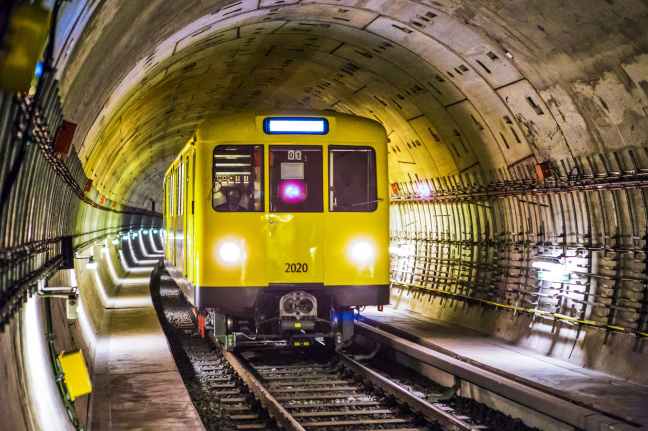
She sits next to him on the train. Not always, just sometimes. He never seems to notice her. He has eyes only for his phone, for the slightly illicit morning conversation with the woman in the office. The one who’s butt and legs he fancies. Really he should have set that phone for a smaller font but he is so imbued with the importance of his own subterfuge he doesn’t care who sees. She thinks he thinks that he is too important to bother with discretion.  

He isn’t particularly observant. He lives one street away. She’s walked down that street sometimes. Knows which door he comes out of. Has seen the wife. The woman with perfect skin and bleach blond hair, gel nails, whose hips have widened out but who still fills her jeans and wears her boots with aplomb. She supposes she must still feel sexy. She thinks perhaps he never notices.

She needs glasses to read but she can still read his texts. She sees the words he writes to someone else. She sees someone else’s answers, coquettish, then open, then desperate for a compliment-‘I’m sure its nothing you haven’t seen before’. He replies about what he likes and how its ‘like’ their ‘together’.

She can see the wedding band, has watched him emerge from the house where he lives with his children that very morning. He kicks his bag accidentally on the train. No doubt he is thinking they are all consenting adults. In his bag is the lunch made for him by his wife. She makes lunch for him as she makes lunch for the children. He wonders how the wife  has let herself go so much after only two children. He rests his phone on his paunch. Poorly manicured nails hurry over the screen. His mother had three boys and was still glamorous until her grave. He takes up space on the train. Legs splayed, bag in front of him. He is important. She sits huddled in the corner and watches. She knows she shouldn’t.

She has often thought of just slipping a note to his wife through the letterbox. Nothing malicious, just a heads up, you should check his phone. Then just wait for the ‘for sale sign to appear. It is a non descript house, neat on the outside, with a family car on the drive and a middle aged man car beside it. She never did leave that note

One day he arrives at the station looking more haggard, then she sees the for sale sign a few weeks later. Perhaps someone else left the note? She sees the texts to the woman on the other end of the phone as he tries to extricate himself from something he had never intended. They had all been consenting adults. He has gone a bit far perhaps. He can’t understand her anger. It was a bit of fun between consenting adults, he’d enjoyed flirting like a teenager again. He had no idea she thought he genuinely cared. He looked through the texts, does the phrase, ‘its like we’re together’ indicate anything more than it said. His wife seemed to think so. That line had sent her over the edge. Its also the one that HR were talking about-amongst a raft of others.

His wife seemed to have grasped the seriousness straight away. It still eluded him. The stress has made his belly sag. He clearly has been leaving somewhere without looking in the mirror some mornings. The other woman is reassuring, he is still attractive.

Later that same week, she sees the text, the woman on the train. She notices now that he smells a bit. She thinks its his socks. Not washed. Perhaps she won’t sit here again. She watches. Observes. He clings on to something he never wanted because if he doesn’t HR will want to talk again. He doesn’t even recognise this woman in the conversation on the phone. He thinks about wide hips and tight jeans, boots and gel nails and the comfort of bleached blond hair and wonders where that has gone. He tries not to think about his kids. The bag on the floor is empty. He is buying lunches now. They are the best meal of the day.

He comes to the station via a different route. His shirt unironed, his bag empty, the trousers sagging as the stress takes its toll. She does not always sit next to him. She thinks about passing him a note. ‘Please wash your socks’ and then another day, ‘I think there is snot on the sleeve of your shirt.’ She sits there sometimes wishing she had a pen and paper. She was there the morning he broke up with her, the one who thought he’d seen it all before. The day he told her, it was like they were together doesn’t mean the same as we are together, or I want to be together, it just means ‘its like we are together’ but we are definitely not together. Its just like that. 10 minutes later, there is the summons to HR with a ‘please explain.’

Sometimes, even on a train you are privy to a private moment, to a transformation, a revelation. She sat there one morning, knowing he didn’t see her or recognise her in anyway. She was invisible to him. She looked at the haggard face, the sagging eyes, the sullen complexion, but she was lucky enough to witness the moment, that moment when he finally understood, a moment of vigour and life as he suddenly realised, ‘I am an idiot.’

Portraits from a town 2

I have chosen words for my picture. You know the place, you’ve passed through on your way to somewhere else. You didn’t stop and if you did it was just to buy some food  before you drove on. It was nondescript, home to no one you know. You can’t even remember its name. It wasn’t big, it wasn’t small, it was just a town. Who lives somewhere like that.

In the darkness she touches herself. There was boy once, when she was young. They fumbled behind the shed, each eager to make a new experience. She adored him. And then he met the other. Her, perfect skin, long hair and that was that. She had stoically remained friends but he never answered her hello’s again. It was like she had ceased to exist. Her feelings she discovered had been hers and hers alone. She buried that humiliation and never let it near the surface. Perhaps the other girl was dead by now. Died young or something.

There had been another boy after that but then perfect skin, perfect teeth, long hair had intervened again. She had at least the thought of that one never having seen her near naked. No one had ever seen her fully naked. She wondered if she had ever been beautiful. In any event it was too late for that now.

She often walked past the same younger woman in the street. She always said hello. She wondered if she should have gone in that direction, but then that direction had never been allowed when she was young.

There were two brothers and a gaggle of nieces and nephews. She tried to help, to be part of their lives.  One was married to a perfect skinned, chiselled cheekboned woman who never wanted the help. The other brother, the one she almost never saw, she thought he harboured a dark secret. He didn’t want anyone to know. She suspected but stayed away. The door would always be open to his daughter, no matter what. Families were difficult.

She was the second daughter, the one born to look after parents in their old age. Parents who had in the end, died regrettably young. The other daughter, the sister so close when they were young, is gone, somewhere far away. Married. Happy. She doesn’t hear. There is family in the old country. She has meaning there and yet the walls are filled with smiling faces who have never visited.

She is not unhappy but happiness has eluded her too. A sheltered life, she wished she’d been braver. What if she’d taken off her knickers behind the shed. She thinks that now, but then it was a sin.

There never seemed to be a time when the opportunity was there and the morals noose she had been brought up with had loosened to allow it all to happen. She had been ready to fall in love when she was young, but could not bring herself to ‘give in’ too early in the game. Now she was ready for the physicality of it but the opportunity never presented itself. The moral noose had loosened, long after the body had its day.  She looked at the men on the train in the morning. At hands with wedding bands and hands without and tried to make sense of why some had found love and some had not. She remained perplexed.

The house was hers. She owned it and she was proud of that. Her own space. No one, not even the government could take that from her. It was small but with only her it always felt bigger than she needed. The immaculate dining room that was never used, she ate in front of the telly, dinner on her lap.

The kitchen where she cooked more food than she could usually eat. Her clothes always washed and ironed, what else was there to do. The abandoned exercise bike in the room upstairs with the empty bed for the people who never came to stay. She enjoyed her job, thank goodness she enjoyed her job. The grass was done, the garden done, she paid someone, couldn’t be bothered to do it herself.

In the mornings she washed herself deliriously in the shower in the morning, full of life and vigour –maybe once but not anymore. The bones creaked more often now and the hair had more signs of grey. The home done colour would not last for much longer. She struggled into panty hose a size too small and told herself no one noticed the lines cutting into her midriff. No one did, it was expected of a woman of her age. Her hips were built for mythical children that belonged to a mythical man. All she could tell you about him was that he had a moustache. She liked the idea that it would tickle. There was nothing else about him she could really envision anymore. The perfect sculpted boy of her youth had eluded her. The gentle aging with children at her feet had passed her somewhere in the night.

She was not happy. She was not unhappy. There were friends and holidays and her job. There were box sets and movies. It was simply not how she expected it to be, there was no narrative that had prepared her for this life. The spinster aunts she had known had all found a way of parenting another’s children. She had not. She touched herself in the darkness, it made her happy.

Portraits from a town

Some people would draw it but I choose words for my pictures. You know the place, you’ve passed through on your way to somewhere else. You didn’t stop and if you did it was just to buy some food  before you drove on. It was nondescript, home to no one you know. You can’t even remember its name. It wasn’t big, it wasn’t small, it was just a town.

The town has several streets and in one of those streets is a house that is slightly rundown. There are net curtains in the windows. The curtains are always drawn. It is not the oldest house in the street but it is the only one that still has wooden window frames. The paint clings on to them desperate not to be flung loose in the wind. Dilapidated, that is the word.

There is never a light on in this house. Never at the front anyway. Someone lives there because the bins are always out on a Tuesday. Its one of those houses that when the occupant is gone, you will look up the real estate agent and go for a viewing just to see what it is like inside. The real estate agent drives past every day waiting-not for a sign of life but for signs of death. It is not the best job in the world.

The front lawn is never mowed but through the gate you can see the back lawn is sort of mowed because the gate is missing a slat. The paint clings on to the gate as well.

Once someone saw fish and chips waiting on the side step to be collected by the owners. The door is at the side and not the front, it is forward of the back gate that is missing the slat. The gate leads through to a garage that has seen better days.

The garage has an asbestos roof and the neighbours want something done but the letters through the box go unanswered. The kitchen is at the back and looks out over what was once the garden. The front room is a lounge. It’s never used. There used to be a dining room at the back next to the kitchen, but long ago he put down carpet and now that is the lounge they use.

The bedrooms are upstairs, soon they will need to be downstairs and the curtains that have hung so precariously to the front windows upstairs can loosen their tenuous grasp and fall to the floor. Their valiant, ragged attempt to protect the occupants privacy over at last. The pigeons nesting in the chimney won’t keep anyone awake at night anymore and the life of the house, such as it is, will be confined to the two back rooms downstairs.

There is a downstairs cloakroom and the occupants will wash in the kitchen sink. It is how it used to be anyway.

An elderly couple, it must be an elderly couple. Nearly incapacitated, slipping through the social services net, not wanting to cause trouble or unable to raise their voices. Which one? Who knows? One of them was a smoker, almost certainly her. Smoking because of the child she had and the ones she didn’t or almost had. The ones that slipped away in bloody messes in the night. Sheets burned in the fire in the rusted tin out the back. New fresh ones bought. Musty and soiled again now but not from her blood, from his incontinence.

She has three dresses, polyester, washable, no ironing anymore. She has a faded pink apron on which she wipes her hands. An unwashed apron, but the stains can’t be seen in the faded light at the back. The sun never makes those windows for most of the day and the light from the small bulb isn’t enough to highlight them and she has put her glasses down somewhere. She is more active than him. He is more grumpy than her.

He sits in the recliner, the chair is half full with his thinning frame, his mind is half empty with the dullness of waiting to die. Why could it not just come, now that he is ready, reconciled? Perhaps after the Arsenal game on Sunday he might pass peacefully from this earth and not have to endure the ache and the effort of toileting himself again. He sits all day in the vinyl chair, looking at the bits hanging off, the bits he tore off when he could be bothered, when he was more active.

Once they were going to get a new chair but the idea slipped from the conversation. He can’t remember when. He wears a thousand shades of brown. A life contracting, all the colour gone. The gradual moving inward in concentric circles until this place and this time is all there is and nothing can possibly pierce their bubble.

They never leave the house, except to go to the shop. And even then it is only her. Occasionally a son comes to visit. The one that caused the smoking to start when he was too small and wouldn’t be quiet. The one who cussed when he looked at the other children and their siblings. No one remembers. He never brings the kids. The place has a smell, its palpable as you walk in. The kids complain about the smell, but are happy with the trade off,  the tenner for xmas and birthdays once a year. They wish for more, but more would mean going there. And no one wants to go there. There is no wi-fi. The windows haven’t been open in years. Maybe they don’t open.

The place is not clean. She does the best she can but really she can’t see the dust. Meanwhile he is so still the dust finds him. A fine film of dirt has burrowed its way into the brownness of his clothes. She doesn’t like to ask him to change too often and it saves money-electricity, washing powder, water, not to wash so often.

There isn’t much money. Some days there isn’t any money. The heating is off, then on but off again because they need milk. They had meat at Christmas but mostly it is just bread, butter, milk. Tea, endless cups of tea. The kettle will go one day and what then? They will boil water on the cooker. And then if the cooker goes, the fire? There is still a fire place in the front room, they will smoke the pigeons out and boil the water on the fire. If they can light the fire?

Of course they can light the fire, in a room upstairs there is a lifetime of newspapers. He used to walk to the shop everyday and get it. She was never in the habit for news and refuses to go everyday for it now. A quiet determined refusal after a lifetime of submission. A statement. Finally a way to say ‘no’.  A way to say I exist independently of you whilst you now exist in the sphere that you so despised but which is wholly mine. I cook. I clean. You sit. It is all you do.  Stuff that into your brown cardigan as you cough on my cigarettes. There is no money for newspaper delivery. There is no money for cigarettes, she makes them last.

Sometimes if there is something left over from the bread and the milk, she buys him a newspaper. He can’t read it in the dim light but the pictures are nice. It is coming to the end, what can happen now that could possibly upset the routine of life as death edges nearer. What could they possibly need to know that a newspaper could tell them.  Is the world ending? For them this world is never ending. The days drag on and the paint hangs on and the circle gets tighter and darker. They look out each day into the garden to see if death has come. But death eludes them, death sits at the edge of the circle, somewhere down the garden silently admonishing them. When living is so little, death has nothing to bring to the table. And so the house crumbles and the wife wheezes and the husbands sighs and the real estate agent drives past in her fancy car. Impatient. 

The Essex Zombie Code-Part 1

Rule Number 1: We talk about the Zombie Code. All the time.

Why? How else would anybody else know how to avoid the Zombies. It’s logic.

We are not a secret club of overhyped, underdone men in shirts. When we take our clothes off, we are a shade of orange fake tan that is peculiar to Essex. And we do bling. Proper bling. Our teeth are regular and bright, very bright but not our own. Our nails sparkle, our eye lashes are measured in inches and our hair extensions are the tresses of legend. This is Essex.

And we talk about the Zombie Code. Relentlessly.

How did it start?

Well!

It started on a very ordinary spring day according to social media, although that could have been filters. If you had been in London and looked towards Essex you would have seen a faint orange glow in the sky. Normal! The good people of Essex were preparing for their holidays, covering their winter skins with an extra layer so they were beach ready for Spain, France, Portugal, or Clacton.

If you turned and looked the other way, there was a sort of blackness, a kind of grey dust that was billowing up and being blown away from you. Pretty normal for London, only this cloud was thicker than most and had random hues to it, some beige, some grey, some more black.

You might have caught the smell of fake tan from the Essex direction, born in on the gentle spring breeze. From the other direction the foul stench of something else was being blown around. You couldn’t smell it yet though, the wind was going west.

Nonetheless there was an air of apprehension that even the promise of summer sunshine on a mispronounced island somewhere in the Med. couldn’t obliterate. About mid afternoon the wind changed direction and the orange cloud blew itself back to Essex. If you had been sat drinking coffee outside in London you would have realised:

a) that London wasn’t built for outside dining and

b) the wind was now blowing in pieces of rotting human flesh.

The odd coloured flakes on top of your coffee were not extra chocolate sprinkles on your cappuccino, they were fleshy particles from someones arm.

The stench would have overwhelmed you as you hurried into Liverpool St station and like me, perhaps you took the last train out of London towards Chelmsford. You didn’t know then that it was the last train. It wasn’t anymore crowded than usual, meaning there were no seats available. The signalling stopped working halfway. Normal!

You would have arrived home at the usual time, 28 minutes overdue, two minutes short of when you are owed compensation by the train company. Nothing seemed out of the ordinary on that journey.

Because what you and I didn’t know was that as we sped (ok this bit isn’t true-there were of course speed restrictions because it was hotter than 19 degrees) out of London, the zombie hordes had hit the outskirts and were making their way through London, feasting on the flesh of  Londoners on the way.

Later on that evening at the London-Essex border, the wave of zombies, the notorious eaters of life- stopped. They simply stopped. It was as if the good people of Essex had built a wall. Without having to shut down the government to do it.

In the first few days refugees from other places who’d somehow survived poured in. They were mostly smartly dressed Londoners who had somehow escaped the zombie’s clutches. Slipping over the metaphorical wall they rode their electric bicycles into Essex. They demanded wi-fi access and avocado toast and places in the best schools and the best tables at restaurants. They were appalled by the velvet tracksuits, leather skirts, heels and diamantes that seemed to infest Essex. They stumbled along in their designer flip flops, loose fitting but well cut trousers, clutching their yoga mats and gawping at the locals.

In a case of 21st century paranoia at its worst, we funnelled these refugees over the Thames and into Kent with a promise of better retail outlets and proper coffee. Then we used their yoga mats and their supplies of avocados to plug the Dartford Tunnel. Their electric bikes were strung out along the beaches like barbed wire to prevent any of them returning.  It was the mood of the times and not a proud moment in the history of Essex.  When we look back now as the sole county that survived, we misjudged, maybe not on the avocado toast, but certainly the rest of it.

I was doing A-level design at the time hoping to get into gel-nail science at university. My friend and I would trek to the border each day just to try and get a selfie with the really gross flesh eating zombies. Not easy. We didn’t know what was holding the hordes back. No one did. We just knew we seemed immune. When approached they fell back en masse  as if we had a disease. The stench was overwhelming. We did occasionally get close. The trick was to get the selfie without getting too much rotting flesh on your clothes. I can’t remember which one of us suggested trying to figure out why we seemed repellent to the zombie hordes.

It didn’t take is long. We bared our teeth, no reaction. We flashed our gel nails, batted inch long eyelashes at them. Nothing. What drove them back we discovered was a flash of our fake tanned arms or a leg perhaps.

And then when we were sure, when we were absolutely sure, we started the Code. We posted it on-line for the world to see, well what’s left of the world, which thankfully includes the internet. It turns out zombies don’t like the smell or taste of a fake tan. They want real untouched human flesh. Who knew? And now, now we only have one problem in Essex- the fake tan-it won’t last forever.

Next week:

Rule Number 2 We use fake tan sparingly-ish and we don’t negotiate with zombies, Ever-ish. (it’s a code not a law).