Blood is red

I was stabbed when I was 13. I don’t really remember it. It was 10 years ago.

I see the posters up everywhere. A picture. A boy. Not much older than me. I don’t know what happened to him. I don’t remember. I don’t think it can have been me. He was so much bigger, not older just bigger. He went to my school.

He plunged a knife into my stomach. I remember that bit. The knife. His surprise as it hit something hard. Like I had a rock inside of me. It was inexplicable. He left the knife there. Twisted it. I was looking into his eyes. He looked down. At the knife. A frozen moment. I don’t remember anything else.

No one ever saw him again.

I look at the posters. I feel for his family, but I can’t help.

All I remember after that is lying on my bathroom floor with the knife still inside me. Blood pouring out of me. Its warmth and life seeping through my fingers as I desperately tried to hold my body together.

I remember pulling the knife out. Just pulling it out. I don’t remember pain. I remember my mother coming in, the look of concern on her face. I remember days in bed. Healing when I should have been at school.

After that we grew apart my mother and I. As if she knew something I didn’t. I moved out a few years ago. I haven’t seen her since. She never called the police. Nor did I. There was no ambulance. She literally bandaged me up, put me to bed and left me to heal.

I remember her looking at the knife, at me, at my blood soaked clothes and the floor. So strangely. I guess she had never seen anyone stabbed before.

There is still a scar. I know if I told the police perhaps his family would have some closure. Perhaps every year on the anniversary the posters would not appear. Perhaps they would find out what happened.

My mother burned the clothes, cleaned the floor.

I still have the knife though. An odd idea. I carefully wrapped it. I never cleaned it. I have read a lot of books since then. I take the knife out every anniversary. I carefully unwrap it and examine it. The blood is still there. The problem is every book I ever read said human blood was red.

The blood on the knife, my blood, was not red.
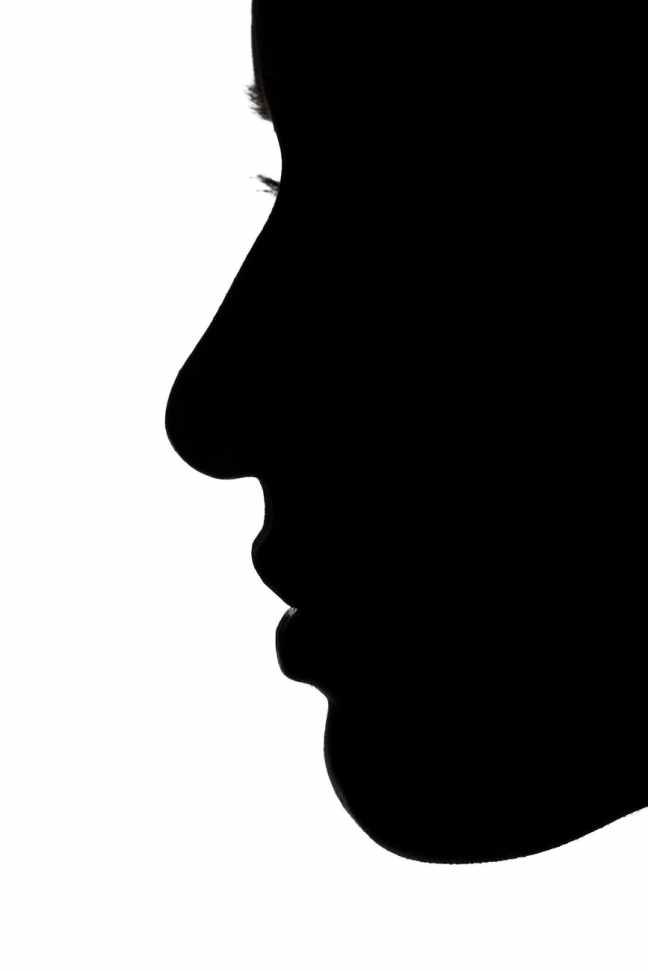
Portraits from a town: The nose

‘Your nose looks big in that picture. In fact its massive. I mean your nose is quite big anyway.’

I look at the picture. It looks like me. With my nose. Which is obviously not good enough anymore. It was of course a perfectly good nose when we got married. Now after child birth it is suddenly elephantine.

Later on, I google all the ways men have come up with to fix women’s noses, and some that women have devised as well. Rhinoplasty-too expensive. My nose will be fine if I revamp my makeup and contour properly, although I need to be careful not to make my eyes beady by making my nose smaller. Oh the pitfalls of makeup. And the cost. All because my nose -has what-changed? The perception of my nose has changed? Its just a bad photograph.

Later in the week he has friends over, he stops in front of the picture and points out my enormous nose. They laugh together. My son can hear them. I don’t cry, not yet. I feel my nose. I like it. It is functional. Made for breathing, not cuteness.

His friend comes into the kitchen. He tries not to, but I know. I saw it. He looked at my nose. Just to see if it’s like it is in the picture. He smiles at me. I look for traces of sympathy but see only humour there. He does not care about anything else. His friend is married to someone with a big nose. They will joke about it later.

I know now my nose will never be good enough again. Nor will I. I have wrote my imperfections large across the wall for everyone to see. I deserve what I get. There is a photograph where my nose looks big. I have dared to leave it hanging there for the world to see. Is there a greater crime for any woman?

Later on he is giving me advice on how to load the dishwasher. He is clueless. It’s a dishwasher, you can load it however you want. There is no right way, there is just my way and his way. I google how to tell a man he is more stupid than he thinks he is. There is no answer there. Google does not know everything.

Two weeks later, he is still talking about the picture. He wants it removed, it is offending him. I like the picture. I like my nose. I have started wishing for an even bigger nose, just to spite him. I google prosthetic noses. I google false nose warts. I am thinking of vandalising the picture so a trail of snot is hanging out of my nose. It’s a picture. I have a face. It is a nose. I use it to breathe. It is of no consequence to anyone else what it looks like. Still he goes on about it. He tells the neighbours and some of my friends. I want to tell him his trousers don’t match his shirt. I think better of it.

It is then that I understand the world will rend us apart. It is only a matter of time.

I will cry a thousand tears. He will have been right all along. My nose was too big for someone like him. It is astonishing we stayed married so long. He will not cry any tears.

One day he will know the tears he did not cry for what they are. They are the contents of the bottle. It is not a new bottle. Men have bottled things up forever. It is a glass bottle. One day it will shatter and break and the tears will fall out into the world. They will fall in one great big puddle onto the floor mixed with fragments of glass. He won’t remember my nose. He will wonder why, search for answers that he did not keep. He will call. I will hang up. Our son will ferry between us.

I will sit and look at my nose in the mirror. I will not think about how it looks. I will suck in the air and know the sweet smell of freedom.

The Draytons

Edward Drayton. He stared at the name on the file.  Another one. This job never got any easier. Edward Drayton had no doubt taken his wife’s name after marriage. Not unusual in these parts. Drayton was an old name, one from the time when Europeans first came here.

He breathed in. Sighed it out. Prepared himself. He knew what was coming. He buzzed Drayton in.

Drayton came in, sat down. Drayton was the usual. Embarrassed. Agitated. Desperate.

Drayton started speaking almost straight away, ‘Nobody in my wife’s family has ever died.’

Even before Drayton said it, he recognised the look on that face. His heart sank. It was common in these parts. Locals called it the vamps.

‘Nobody?’ he said calmly.

He knew Drayton had chosen him as a therapist because he was from out of town. Deliberately chosen him, no doubt Drayton had done some research. Someone with no connection to the family that he knew of, but there were so very many Draytons. How could anyone be sure?

His surname was different, but he had taken his wife’s name on marriage too. He had tried to distance himself from the stories. Drayton had come here, taken a chance, looking for a kindred spirit. Who was he to judge?

‘Well there was Cousin Lola.’ Drayton continued. He remembered cousin Lola, quite sad. He showed no emotion though and Drayton ploughed on.

 ‘Impaled on a fence, but I went there. Wooden fence!’  Drayton said this with finality as if there was only one explanation.

He tried to maintain a professional composure. There was the rest of the family to consider.

‘And they don’t like garlic. I once made a chilli with a lot of garlic for my wife and her sisters and their kids, whole family. They all sat there, barely ate it.’

Drayton was on a roll now. He tried to remain calm, neutral, professional. Even as the saliva was pooling in his mouth.

‘And my wife, sometimes she sleeps during the day and haunts the house at night. She says its menopause.’

‘And she hates silver.’

He wanted to put up a hand and stop it then and there. Drayton was looking for answers but none of the behaviours he described were unusual. Some people preferred gold. Garlic was relatively new in this part of the world when his wife was growing up. Someone died in a random accident on a wooden fence.

He knew the conclusion Drayton wanted to draw. It was sad. Always sad. He prescribed something random, told Drayton to think about it, come back in a week. He wanted to add ‘but only if you see your wife howling at the moon.’ He didn’t. Sarcasm was not professional in these situations. His was a difficult job. He had some sympathy. The women out west were odd sometimes.

He knew as Drayton opened the door to leave, he would have to make that phone call.  

He called his mother. To tell her to call her cousin. To tell her cousin to call her sister. To tell her to call her daughter. To tell her,

‘It’s time to eat your husband.’